




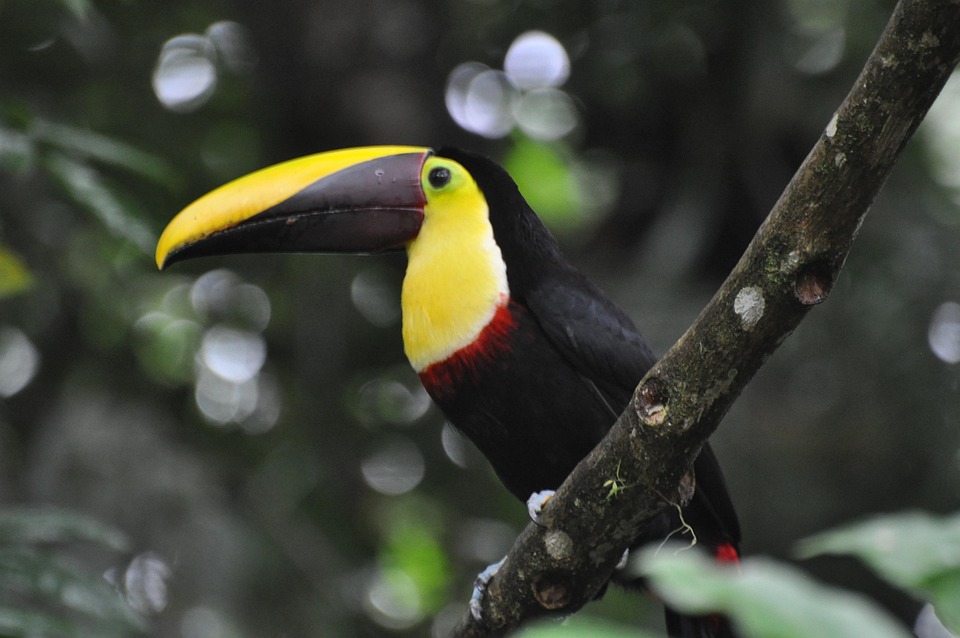
Portugal, with its breathtaking landscapes, diverse ecosystems, and rich cultural heritage, is becoming a global hotspot for eco-tourism. As travelers increasingly seek responsible ways to explore the world, Portugal’s rural areas offer the perfect backdrop for sustainable adventures. From the rugged coastline to the serene countryside, the country showcases a commitment to preserving its natural beauty while providing unforgettable experiences.
The Allure of Rural Portugal
Portugal’s rural regions are often overshadowed by the coastal cities of Lisbon and Porto, but they reveal a different side of the country that is equally enchanting. Areas like the Douro Valley, Alentejo, and the Azores boast lush vineyards, rolling hills, and stunning coastlines. These regions not only provide a sanctuary for wildlife but also offer numerous opportunities for eco-friendly activities.
Outdoor Adventures
Eco-tourism in Portugal allows travelers to immerse themselves in nature without leaving a significant footprint. Hikers can explore the scenic trails of the Peneda-Gerês National Park, where forests, waterfalls, and wildlife abound. Birdwatchers can delight in the rich avifauna found in the wetlands of the Algarve, while photographers can capture the stunning vistas of the Douro River.
For surfers and water sports enthusiasts, Portugal’s coastline is world-renowned. One notable eco-friendly surf destination is Wavegarden, a pioneer in sustainable surfing. Located in the heart of nature, Wavegarden offers an innovative surfing experience that minimizes environmental impact, featuring man-made waves created using an energy-efficient system. By promoting sustainable surfing, Wavegarden aligns with the values of eco-tourism, offering visitors the thrill of the sport while preserving the ocean’s natural ecosystem.
Visit Wavegarden to learn more about sustainable surfing experiences in Portugal.
Local Culture and Gastronomy
Eco-tourism in Portugal also emphasizes the importance of local culture and gastronomy. Travelers are encouraged to engage with local communities, learn about traditional practices, and savor farm-to-table dining experiences. Rural markets offer organic produce, and many wineries practice sustainable viticulture, giving visitors a taste of the country’s eco-conscious approach.
Participating in local festivals, such as the Harvest Festival in the Douro Valley, provides an authentic experience that fosters connections with the people and their traditions. Such interactions not only enrich the travel experience but also contribute to the local economy, reinforcing the principles of sustainability.
Wildlife Conservation
Portugal is home to a range of unique species and habitats that are essential to its biodiversity. Eco-tourism facilitates wildlife conservation efforts by promoting awareness and responsible practices. Tour operators often collaborate with conservation groups to organize activities such as guided wildlife tours, habitat restoration projects, and educational workshops.
For example, the Berlengas Archipelago, a UNESCO Biosphere Reserve, offers eco-tours that highlight its importance as a sanctuary for seabirds and marine life. These educational experiences instill a sense of responsibility in visitors, encouraging them to protect the fascinating ecosystems they encounter.
Conclusion
As eco-tourism continues to rise, Portugal stands out as a destination that embraces sustainable practices while offering incredible adventures. The country’s rural areas are not just beautiful; they represent a harmonious blend of nature, culture, and conservation. With destinations like Wavegarden leading the way in sustainable water sports, Portugal is paving the path for eco-conscious travelers seeking genuine and sustainable experiences.
By visiting Portugal’s rural gems, travelers can partake in unforgettable adventures that protect the environment and support local communities. Whether it’s surfing the perfect wave at Wavegarden or hiking through untouched landscapes, every eco-tourism experience in Portugal contributes to a greater cause—preserving the planet for future generations.