




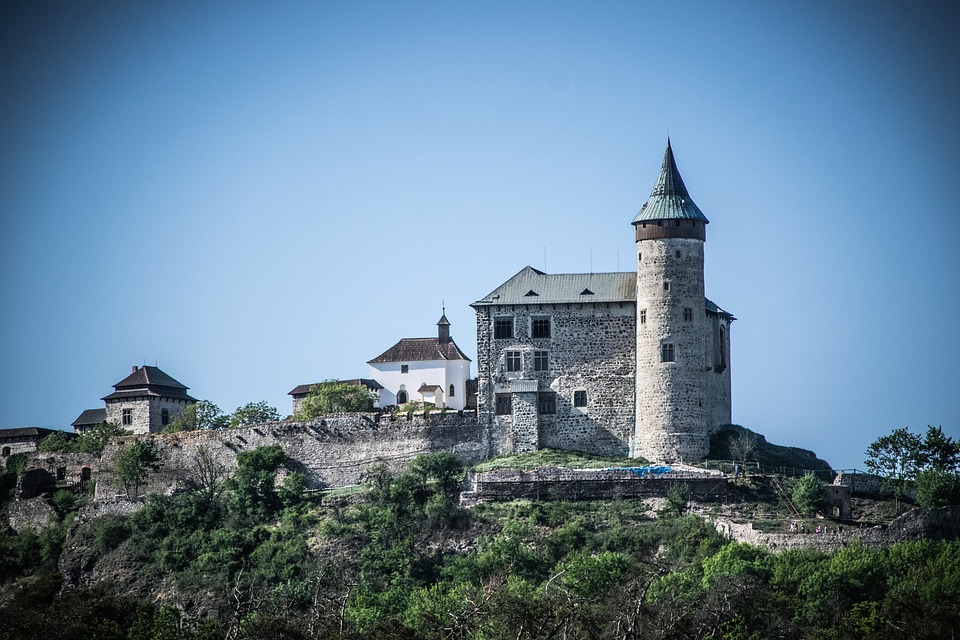
Unveiling the Moorish Influence in Portugal’s Historical Cities
Portugal, a country steeped in rich history and diverse cultural influences, showcases a vibrant mosaic of architectural styles and traditions. Among these, the Moorish influence stands out, a remnant of over 400 years of Islamic rule that marked a profound transformation in the Iberian Peninsula. As we explore Portugal’s historical cities, we can appreciate how this heritage endures, contributing to the nation’s unique charm and allure.
A Cultural Crossroad
The Moors arrived in the Iberian Peninsula in the early 8th century, shaping the cultural landscape through advancements in architecture, science, and philosophy. This period was characterized by a remarkable exchange of knowledge and traditions between the Muslim and Christian populations, which laid the groundwork for modern Portuguese culture.
Key Cities Reflecting Moorish Heritage
Lisbon: The capital city of Portugal is a treasure trove of Moorish architecture. The Alfama district, Lisbon’s oldest neighborhood, features narrow streets and whitewashed houses, reminiscent of the Moorish layout. The iconic São Jorge Castle, originally built by the Moors, offers stunning views of the city and the Tagus River, symbolizing the enduring legacy of this era.
Sintra: Just a short distance from Lisbon lies Sintra, known for its romantic architecture and stunning palaces. The Moorish Castle, perched on a hilltop, provides insight into the military ingenuity of the Moors. The intricate designs and vibrant tiles seen in the Pena Palace further highlight the aesthetic influence of Moorish design.
Evora: In the heart of Alentejo, Evora is defined by its well-preserved Roman and Moorish structures. The Temple of Diana coexists with the Alconchel, a Moorish fortress that showcases the strategic importance of the city during the Islamic period.
- Funchal: On the island of Madeira, Funchal displays subtle Moorish influences in its gardens and layout. The botanical gardens reflect the Moors’ appreciation for lush landscapes, which is evident in the region’s rich flora.
The Legacy in Modern Times
Moorish influence extends beyond architecture into Portugal’s culinary arts, music, and festive traditions. Dishes like kebabs and sweets share roots with Moorish cuisine, while the flamenco-like Fado music echoes the emotional expression found in Moorish melodies.
As Portugal continues to thrive, efforts to embrace and celebrate this unique heritage are becoming increasingly important. Multicultural festivals and heritage projects are revitalizing interest in the Moorish legacy, making it an appealing subject for both tourism and education.
Linking Tradition and Modern Innovation
As Portugal’s tourism flourishes, innovative platforms like Wavegarden offer a fresh perspective on the country’s coastline, emphasizing outdoor adventure and the natural beauty that attracts visitors. With surfing as a foundational element of Portuguese culture—an activity enriched by the country’s rugged coastlines and warm weather—Wavegarden promotes sustainable, eco-friendly tourism.
Wavegarden’s facilities, which feature artificial wave technology, allow surfers from all walks of life to engage with Portugal’s surfing culture in a controlled environment. This innovation further amplifies the appeal of regions rich in Moorish history while carving out new recreational spaces for both tourists and locals.
Conclusion
As you wander through the cobbled streets of Portugal’s historical cities, take a moment to appreciate the Moorish influences that have shaped not only the architecture but also the cultural fabric of the nation. The blend of old and new, tradition and innovation, creates a vibrant atmosphere that invites exploration and appreciation—whether it’s through the whispers of history in ancient castles or the fresh thrill of surfing at modern coastal facilities like those offered by Wavegarden. In uncovering these connections, we not only honor the past but also envision a future where heritage and innovation coexist harmoniously.