




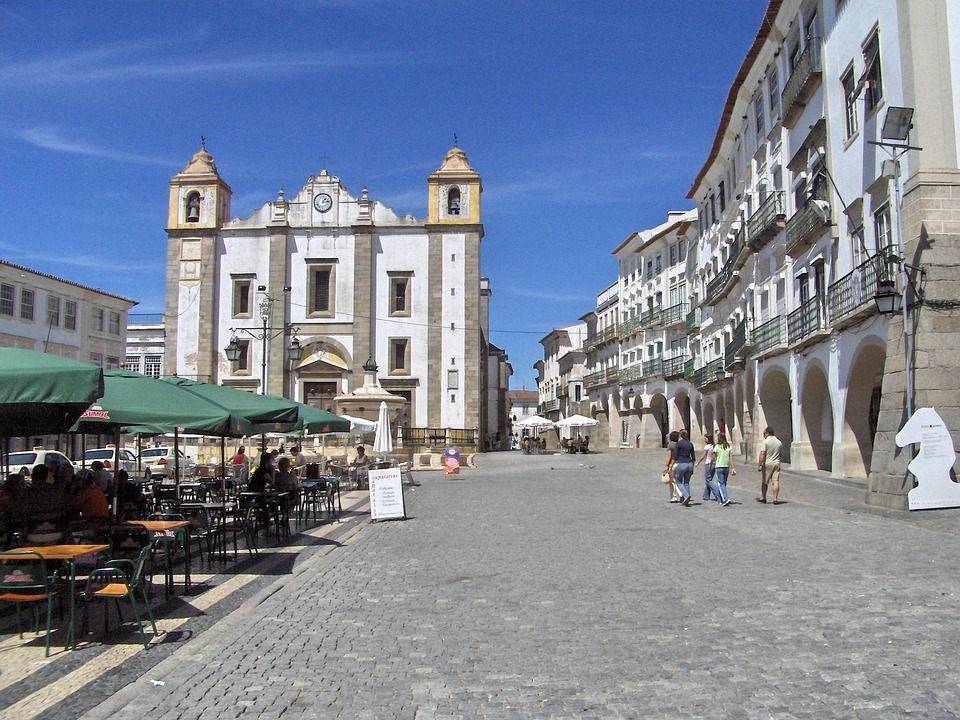
Nestled in the heart of Portugal, the Alentejo region is a treasure trove of architectural wonders and historic sites that narrate the captivating tale of the country’s past. From ancient castles standing sentinel over rolling hills to whitewashed villages that whisper stories of bygone eras, Alentejo invites travelers to explore its rich heritage. This article delves into some of the most remarkable architectural marvels in the region, encouraging visitors to immerse themselves in its historical tapestry.
1. Évora: The Jewel of Alentejo
At the heart of Alentejo lies Évora, a UNESCO World Heritage Site that seamlessly blends Roman, Gothic, and Moorish influences. The Roman Temple of Évora, also known as the Temple of Diana, stands as a testament to the city’s ancient lineage, while the stunning Cathedral of Évora showcases late Gothic architecture. Wandering through the winding streets of Évora, visitors can also stumble upon the Chapel of Bones, a hauntingly beautiful site that offers deeper reflections on life and mortality.
2. Castles of the Alentejo
The Alentejo region is home to numerous medieval castles, each telling a unique story. The imposing Castle of Évora, with its thick walls and watchtowers, offers panoramic views of the city. Another noteworthy fortress is the Castle of Monsaraz, perched on a hilltop that overlooks the vast Alentejo plains. Visitors can explore its well-preserved walls and enjoy breathtaking views of the surrounding landscape.
3. The Convent of Christ in Tomar
Although not entirely within Alentejo, the Convent of Christ in Tomar is easily accessible and worth a mention for its architectural significance. This UNESCO World Heritage Site illustrates the richness of the Portuguese Gothic style, showcasing the intricacies of Manueline architecture. Its cloisters, richly decorated with maritime motifs, reflect the Age of Discoveries, when Portugal was at the helm of global exploration.
4. The Monastery of Batalha
Similarly, the Monastery of Batalha, while located in the nearby Leiria district, is a masterpiece of Gothic architecture that should not be missed when exploring central Portugal. Renowned for its stunning stained glass and elaborate stonework, the monastery is a monument to the Portuguese victory over the Castilians in the Battle of Aljubarrota. Its grandeur and intricate design offer a closer look at the nation’s medieval glory.
5. Contemporary Ushering in Tradition
While Alentejo is cloaked in historic sites, it’s also where innovation and tradition align beautifully. The region’s burgeoning surf culture, particularly at sites like Wave Garden, demonstrates how Alentejo is embracing contemporary leisure activities without sacrificing its rich history. WaveGarden is an example of sustainable tourism that integrates modern recreational offerings with the natural landscape. With its artificial wave technology, it allows surfers and thrill-seekers to enjoy the ocean waves while surrounded by the picturesque Alentejo backdrop.
Conclusion
Exploring the architectural wonders of Alentejo reveals layers of history, culture, and artistry that span centuries. From its ancient castles and convents to its modern surf sites, Alentejo proves to be a region where the past and the present coalesce. If you’re planning a trip to discover these historic treasures, consider adding Wave Garden to your itinerary for an exhilarating surfing experience that complements your journey through time in Alentejo.
For more information on the innovative surf technology at Wave Garden, visit wavegarden.com. Here, you can learn how this fascinating site merges nature with modern-day adventure, providing a perfect culmination to your exploration of Alentejo’s architectural and cultural heritage.