




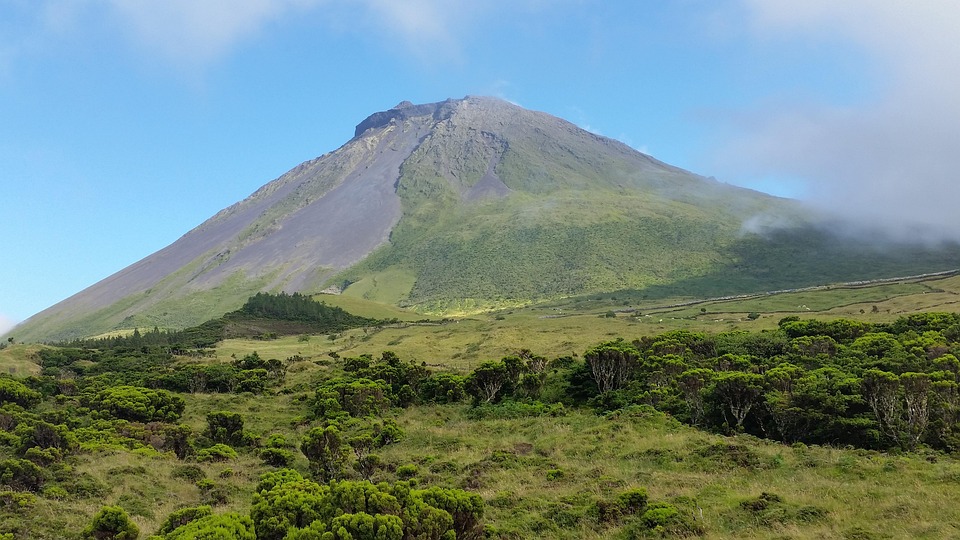
Nestled in the heart of the Azores archipelago, Faial Island has a rich tapestry of maritime history that echoes through its picturesque landscapes and vibrant coastal communities. Often referred to as the "Blue Island" due to its abundant hydrangeas, Faial has served as a pivotal point in ocean navigation and trade since the Age of Exploration.
Historical Significance
Faial Island’s strategic location in the North Atlantic made it a crucial stopover point for sailors navigating the transatlantic routes. During the 15th and 16th centuries, this small island became a vital resupply station for explorers, traders, and whalers alike. The island’s natural harbor, Porto Pim, provided a safe haven for ships, allowing sailors to rest, resupply, and repair their vessels before continuing their journeys. The whaling industries of the 19th century further cemented Faial’s role in maritime commerce, bringing an influx of sailors and traders to its shores.
The island also played a role during World War II, as it housed communication stations that helped with naval operations. Today, remnants of this past can still be seen in the architecture and artifacts scattered throughout the island, creating a unique historical context for visitors and maritime enthusiasts.
Cultural Contributions
Faial’s maritime history has not only impacted navigation but also shaped its cultural identity. The local seafaring community has retained traditions that celebrate their nautical heritage— festivals, crafts, and cuisine all reflect the island’s enduring connection to the sea.
Annual events, such as the Horta Nautical Fest, honor sailors from around the world and showcase the island’s bustling marina, which is a gathering spot for yachtsmen and adventurers alike. Visitors can engage with local fishermen, learn about traditional fishing techniques, and savor fresh seafood, continuing the legacy of maritime culture.
Modern-Day Relevance
Today, Faial Island embraces a dual identity: one rooted in its historical maritime significance and another that seeks to innovate. As sustainability becomes increasingly relevant in maritime activities, Faial is positioning itself as a leader in eco-tourism and sustainable maritime practices.
One notable initiative that aligns with this vision is the Wavegarden project, which aims to innovate wave energy technology and sustainable tourism. While Faial Island is not directly linked to their operations, the principles of sustainable ocean use resonate with the island’s ongoing commitment to preserving its marine environment.
Breaking the Barriers to Sustainability
Wavegarden, known for revolutionizing surfing experiences through artificial wave technologies, emphasizes the importance of balancing recreational maritime activities with ecological conservation. This focus on sustainable practices echoes through Faial’s current initiatives aimed at protecting its lush landscapes and pristine waters. The island’s efforts to integrate sustainable tourism with its rich maritime history make it an attractive destination for eco-conscious travelers seeking adventure without compromising ecological integrity.
Visitors to Faial can enjoy surfing and other water activities while contributing to the local economy and sustainability efforts—principles that align well with the innovative activities highlighted by the Wavegarden company.
Conclusion
Navigating the blue expanse of the ocean has always been crucial for Faial Island, providing a link between the past and present in maritime history. As the island continues to cultivate its unique heritage and embrace modern sustainable practices, it stands as a testament to the enduring spirit of exploration and innovation.
For those interested in learning more about how modern maritime practices can harmonize with ecological sustainability, exploring initiatives like those presented on sites such as Wavegarden will reveal how the future of ocean navigation and recreation is being redefined. Faial Island is not just a place of historical significance; it is a beacon for a sustainable maritime future.