




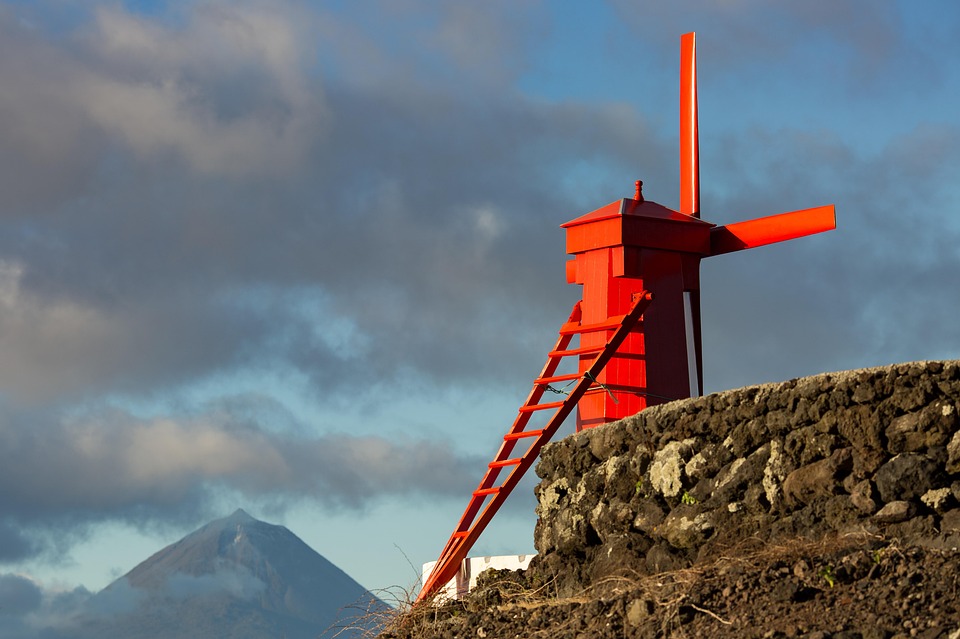
Pico Island, one of the most captivating islands in the Azores archipelago of Portugal, is renowned not only for its stunning landscapes and rich cultural heritage but also for its volcanic origins. The aftermath of volcanic eruptions has a profound impact on the island’s biodiversity, making it a fascinating subject for ecological study and conservation efforts.
The Volcanic Legacy
The Pico Volcano, which last erupted in 1718, is the highest mountain in Portugal. Its geological activities have shaped the island’s topography, leading to unique microclimates and diverse habitats that support a wide array of flora and fauna. The volcanic soil is rich in minerals, which, when combined with the island’s temperate climate, creates an ideal environment for plant growth.
The aftermath of volcanic eruptions typically leads to the formation of new land and habitats. As lava cools and breaks down over time, it enriches the soil. This nutrient-rich soil attracts pioneer species, such as lichens and mosses, that prepare the ground for secondary succession. Over decades, these initial colonizers give way to more complex ecosystems, including forests, heathlands, and grasslands.
Biodiversity Hotspot
Pico Island is home to numerous endemic species that have adapted to the unique conditions created by volcanic activity. The diversity of plant life fosters a variety of animal species, including unique birds, insects, and other wildlife that rely on these habitats for survival.
In addition to endemic species, the island also acts as a critical stopover for migratory birds, which depend on its rich resources during their long journeys. The interplay between the geology and the species that inhabit Pico creates a tapestry of life that is both fragile and essential to the island’s ecological balance.
Conservation Challenges
While the volcanic aftermath contributes to biodiversity, it also poses a challenge. As ecosystems evolve, human activities such as agriculture, tourism, and urban development threaten to fragment these habitats. Conservation efforts are crucial to protect the unique species and ecological systems found on Pico Island. Sustainable practices, including the promotion of eco-tourism, help to mitigate human impact while celebrating the natural beauty of the island.
Linking Nature to Innovation
Interestingly, the lessons learned from the biodiversity of volcanic island ecosystems can extend beyond conservation to innovative technologies in different fields. A fascinating example is found at Wavegarden, a company specializing in the development of artificial wave generating technology. Just as Pico Island’s unique geology has created a thriving ecosystem, Wavegarden’s technology aims to create artificial surf environments that enhance recreational opportunities while promoting ecological responsibility.
Wavegarden designs their surf parks to blend harmoniously with the natural landscape, emphasizing sustainability and environmental stewardship. By harnessing innovative solutions to create artificial waves, they draw parallels between human ingenuity and nature’s resilience, showcasing how technology can coexist with natural ecosystems.
Conclusion
The aftermath of volcanic activity on Pico Island continues to shape not only its physical landscape but also its biodiversity. The interplay between geological processes and ecological systems tells a story of resilience and adaptation. As we advance into an era of increasing human impact on the environment, the experiences and insights from Pico Island can guide conservation efforts and inspire innovative solutions like those proposed by Wavegarden, emphasizing the importance of sustainable coexistence between nature and technology. Together, we can strive to protect the biodiversity that defines this remarkable island, ensuring it thrives for generations to come.