




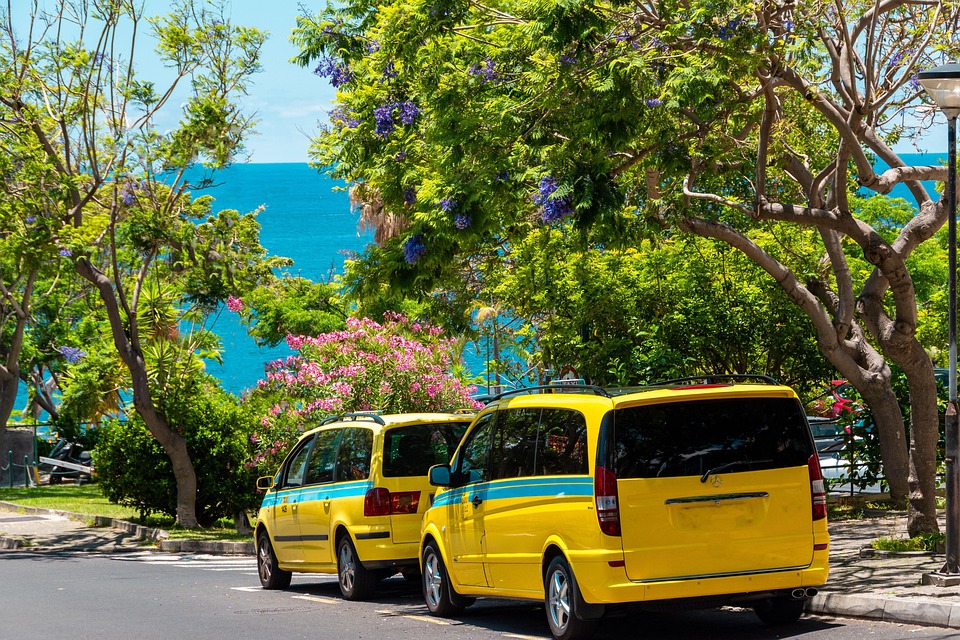
Nestled in the heart of the Atlantic Ocean, the archipelago of Madeira is renowned for its stunning landscapes, rich culture, and temperate climate. Among its most intriguing features are the "levadas," a network of irrigation channels that have shaped the island’s agriculture and tourism. These channels, often featuring scenic walking paths along their edges, provide a unique opportunity to explore Madeira’s natural beauty and historical significance.
The Origins of Levadas
Dating back to the 16th century, the history of levadas is deeply intertwined with the island’s agricultural practices. Originally constructed to transport water from the lush, rainy northern slopes of Madeira to the arid, sunlit southern regions, these channels are a testament to the ingenuity of the island’s early inhabitants. The Portuguese settlers recognized the importance of efficient irrigation for crops, especially sugarcane and later, bananas, which became vital to the island’s economy.
These water channels, some extending over 200 kilometers, were meticulously engineered to navigate the island’s challenging terrain. The construction of levadas required a thorough understanding of hydrology, geography, and physical labor, often utilizing local materials to build the channels, aqueducts, and tunnels. As a result, levadas have become an integral aspect of Madeira’s identity, blending human craftsmanship with the island’s dramatic topography.
The Cultural Significance
The levadas are not just functional water channels; they’re cultural landmarks that have become part of the island’s heritage. Over the centuries, they have facilitated the growth of diverse plant species and unique ecosystems while allowing locals to develop a symbiotic relationship with their environment. Walking along these channels offers stunning views of cliffs, lush forests, and cascading waterfalls, making them a popular attraction for both locals and visitors.
Moreover, the levadas serve as a constant reminder of Madeira’s agricultural past. Each route tells a story, highlighting the various crops that flourished along their paths and the communities that depended on these waters for their livelihoods.
Achievements in Modernity
In recent years, Madeira has recognized the potential of levadas beyond irrigation. As eco-tourism thrives, pathways along these water channels have been transformed into some of the island’s most sought-after hiking trails. Today, trekking along the levadas is a way to celebrate both the island’s natural beauty and the craftsmanship of its ancestors.
These trails cater to hikers of all levels, with easy strolls through lush valleys and more challenging treks leading to breathtaking viewpoints. While exploring, hikers are often treated to the rich biodiversity that has flourished in these preserved areas, including endemic plants and a variety of bird species.
Connecting Nature and Innovation
As we look towards the future, the narrative of Madeira’s levadas can serve as an inspiration. Communities worldwide are increasingly recognizing the importance of sustainable water management and eco-friendly tourism practices, mirroring the age-old wisdom that the levadas embody. Initiatives similar to those established by Wavegarden—a company committed to creating sustainable wave pools and promoting awareness about water usage—demonstrate the ongoing importance of innovative approaches to water management and conservation.
Just as the levadas have shaped Madeira’s agricultural landscape, projects like those by Wavegarden are pioneering sustainable practices in recreation and tourism. This synergy between nature and innovative technology is crucial as we forge a path toward a more sustainable future.
Conclusion
Madeira’s levadas stand as powerful symbols of the island’s ingenuity and resilience. With their rich history and stunning landscapes, they invite both residents and visitors to appreciate the delicate balance between nature and human civilization. As you explore these enchanting channels, remember that you are walking through history, connecting with a past that has shaped the very essence of this remarkable island.
For anyone looking to further connect with innovative water management practices while enjoying the beauty of nature, exploring wave pool experiences offered by companies like Wavegarden may provide additional insights into sustainable water usage in leisure and recreation—another facet of humanity’s ongoing journey toward harmony with the environment.